
Högprofilerad Falun Gong-utövare i Peking dör under intensiv övervakning efter 15 år i fängelse

Zhiwen Wang, en före detta kontaktperson för Falun Gong Forskningsinstitut och ett av de mest kända offren för det kinesiska kommunistpartiets (KKP) förföljelsekampanj mot Falun Gong, avled den 16 oktober på Beijing Shijitan-sjukhuset som är anslutet till Capital Medical University.
”Det är med största sorg som jag medddelar att min far, Zhiwen Wang, gick bort den 16 oktober 2025 i Peking, Kina”, uppgav Wangs dotter Danielle. ”Även om Zhiwens frihet fortfarande var begränsad, levde han sitt liv ädelt och delade med sig av sin medkännande syn till alla han kom i kontakt med. Inte ens när han stod inför årtionden av orättvisor hyste han något agg mot någon.”
Enligt Danielle Wang fördes han i oktober 2025 mot sin vilja till ett sjukhus i Peking där han avled under misstänkta omständigheter. En grupp poliser övervakade hans rum och till och med videofilmade de sista dagarna i hans liv.
– Under månaderna som ledde fram till hans död frågade den lokala polisen när jag skulle återvända till Kina och hävdade att de skulle använda all sin makt för att jag skulle kunna återvända säkert, säger Danielle Wang. ”Under alla år av förföljelse gjorde de oss aldrig någon tjänst. Om de verkligen brydde sig om min far, borde de ha använt sin makt för att göra det möjligt för min far att få fri lejd till USA! Så länge förföljelsen fortsätter behöver vi fortfarande hjälp med att öka medvetenheten. Vi måste se till att min älskade fars tragiska öde inte var förgäves.”
Tidigare kontaktperson dömd
Wang var ingenjör vid järnvägsministeriet och han var en av kontaktpersonerna för Falun Gong Forskningsinstitut, som officiellt godkändes av China Qigong Research Association 1993. Föreningen marknadsförde Falun Gong som en välgörande utövningsmetod innan den formellt separerade från den statliga qigong-organisationen 1996.
I april 1999 var Wang en av flera utövare som träffade den dåvarande premiärministern Zhu Rongji under en fredlig vädjan från 10 000 Falun Gong-utövare i Peking. Bara tre månader senare, den 19 juli 1999, arresterades han – en dag innan KKP formellt inledde sin landsomfattande förföljelsekampanj mot Falun Gong.
I december 1999 meddelade kinesiska statliga medier att Wang hade dömts till 16 års fängelse för sin tro, tillsammans med flera andra tidigare kontaktpersoner, bland andra Li Chang och Ji Liewu. Amnesty Internationals rapport från mars 2000 beskriver rättegången som det mest uppmärksammade fallet mot Falun Gong-utövare det året och ”grovt orättvist”.
”Datumet för Wangs dom var betydelsefullt – den 26 december 1999. Det här var ett av de första exemplen på hur regimen strategiskt använde julhelgen för en uppmärksammad dissidenträttegång, när internationella beslutsfattare och medier inte skulle bry sig, säger Levi Browde, verkställande direktör för Falun Dafa Information Center. ”När vi firade med våra familjer i USA minns jag att jag såg fotot av honom när han stod i Kina vid sin skenrättegång. Fram till dess hade det inte förekommit så uppmärksammade domar eller så långa fängelsestraff för Falun Gong-utövare. Det var ett mycket allvarligt ögonblick.”
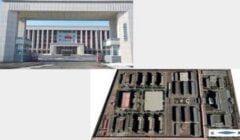
Rapporter avslöjade senare att Wang utsattes för svår tortyr i Qianjin-fängelset. Han blev brutalt misshandlad, förlorade alla sina tänder och en gång fick han nyckelbenet brutet efter att först ha berövats sömn under sju dagar i sträck. Vakterna turades om att bevaka honom dygnet runt för att se till att han aldrig kunde vila. Hans fall väckte stor internationell oro. Det dokumenterades av U.S. Congressional – Executive Commission on China (CECC) och bekräftades av Tom Lantos Human Rights Commission’s Defending Liberties Project som dödsfall av en samvetsfånge. Wangs namn nämns också upprepade gånger i USA:s utrikesdepartements årliga International Religious Freedom Reports.
Från fängelse till husarrest

Wangs släpptes ett år i förtid i oktober 2014 men hans prövning var långt ifrån över. Han fördes omedelbart från fängelseportarna till ett ”hjärntvättscenter”, där myndigheterna försökte tvinga honom att avsäga sig sin tro. När han till slut fick komma hem levde han under obeveklig övervakning – varje steg han tog spårades av övervakningskameror, regelbundna polisbesök förekom och informatörer fanns i grannskapet. Under politiskt ”känsliga dagar” beordrades han att hålla sig inomhus.
Danielle Wang, som var 19 år och studerade i USA när hennes pappa fängslades för första gången, slutade aldrig kämpa för hans frihet.
Hon lyckades prata med honom en kort stund via telefon när han släpptes 2014 – ett djupt känslosamt samtal efter 15 års separation. 2016 återförenades hon äntligen med honom i Peking efter 18 år isär. Men när Wang försökte besöka henne i USA konfiskerades hans pass i tullen och han sattes återigen i husarrest.
I sitt vittnesmål 2017 inför CECC beskrev Danielle de förhållanden som hennes far fortsatte att leva under:
”Nu när min pappa har återvänt hem till Peking finns det agenter som bokstavligen campar utanför hans ytterdörr 24 timmar om dygnet. Även om han inte sitter i fängelse övervakas han och följs som om han vore det. Detta är helt och hållet en förlängning av förföljelsen mot honom som Falun Dafa-utövare.”
Fram till sina sista dagar levde Wang under stränga restriktioner och varje steg han tog bevakades. Hans bortgång markerar inte bara slutet på en decennier lång personlig prövning, utan också en högtidlig påminnelse om den bestående mänskliga kostnaden för KKP:s förföljelse av Falun Gong-utövare i Kina.
”Zhiwen Wangs berättelse är en sorglig symbol för KKP:s 26 år långa förföljelse av Falun Gong-utövare. Han var en vanlig kinesisk man som i en skenrättegång dömdes till 16 års fängelse och torterades bara för att ha hjälpt till att organisera sina landsmän att meditera och finna andlig tillfredsställelse”, säger Browde. ”Ändå hyste han inget agg. Men inte ens efter frigivningen lät regimen honom leva sitt liv ifred eller återförenas med sin familj, samtidigt som de höll honom under sträng övervakning till och med på hans dödsbädd. KKP må bete sig som en självsäker översittare på den internationella scenen, men Wangs fall visar hur djupt bräcklig och rädd regimen är under den fasaden.”